
Living heritage
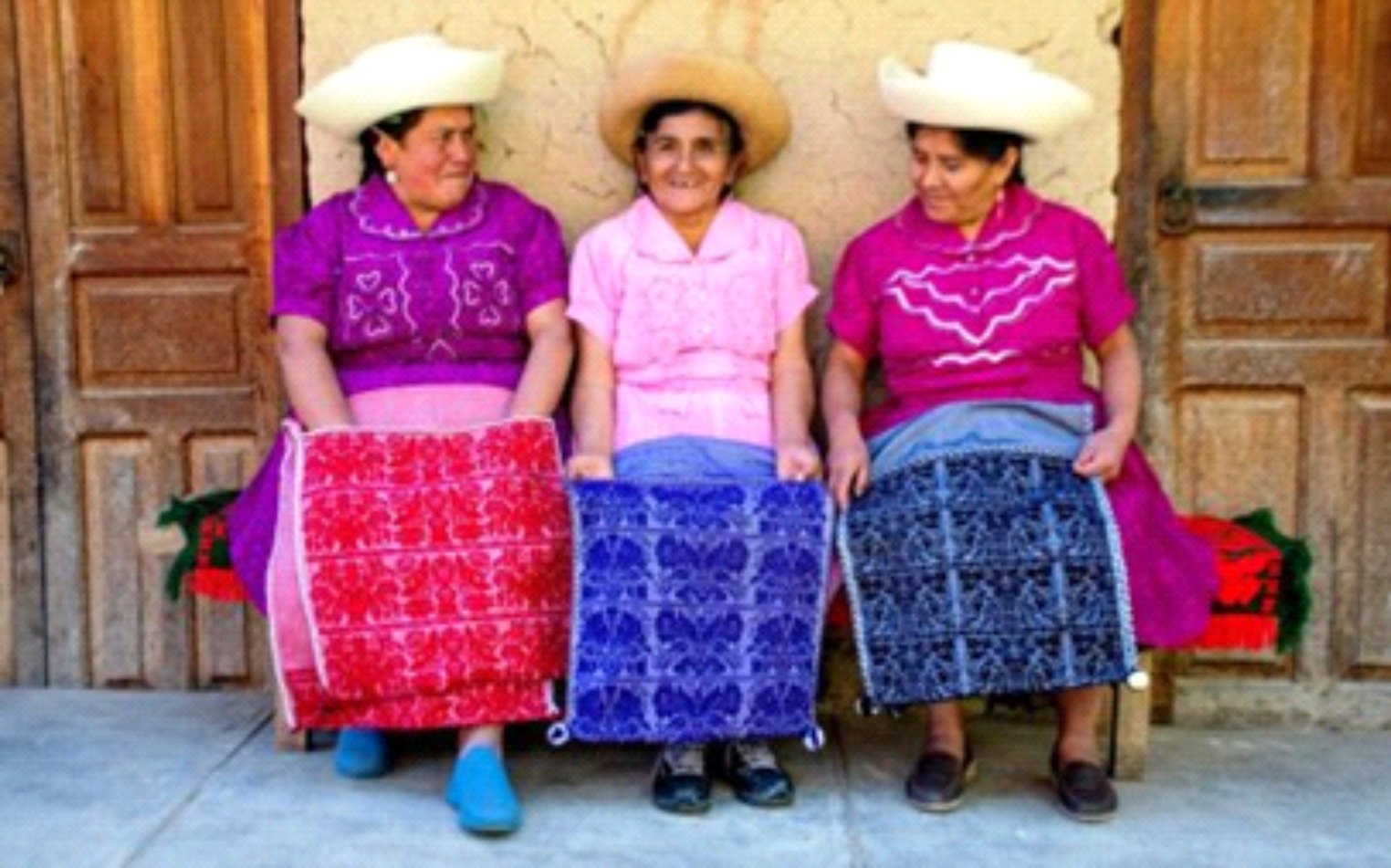
We rescue, document and promote Cutervo's cultural expressions together with the ancestral wisdom keepers who truly hold that memory.
Cutervo · Cajamarca · Peruvian Andes
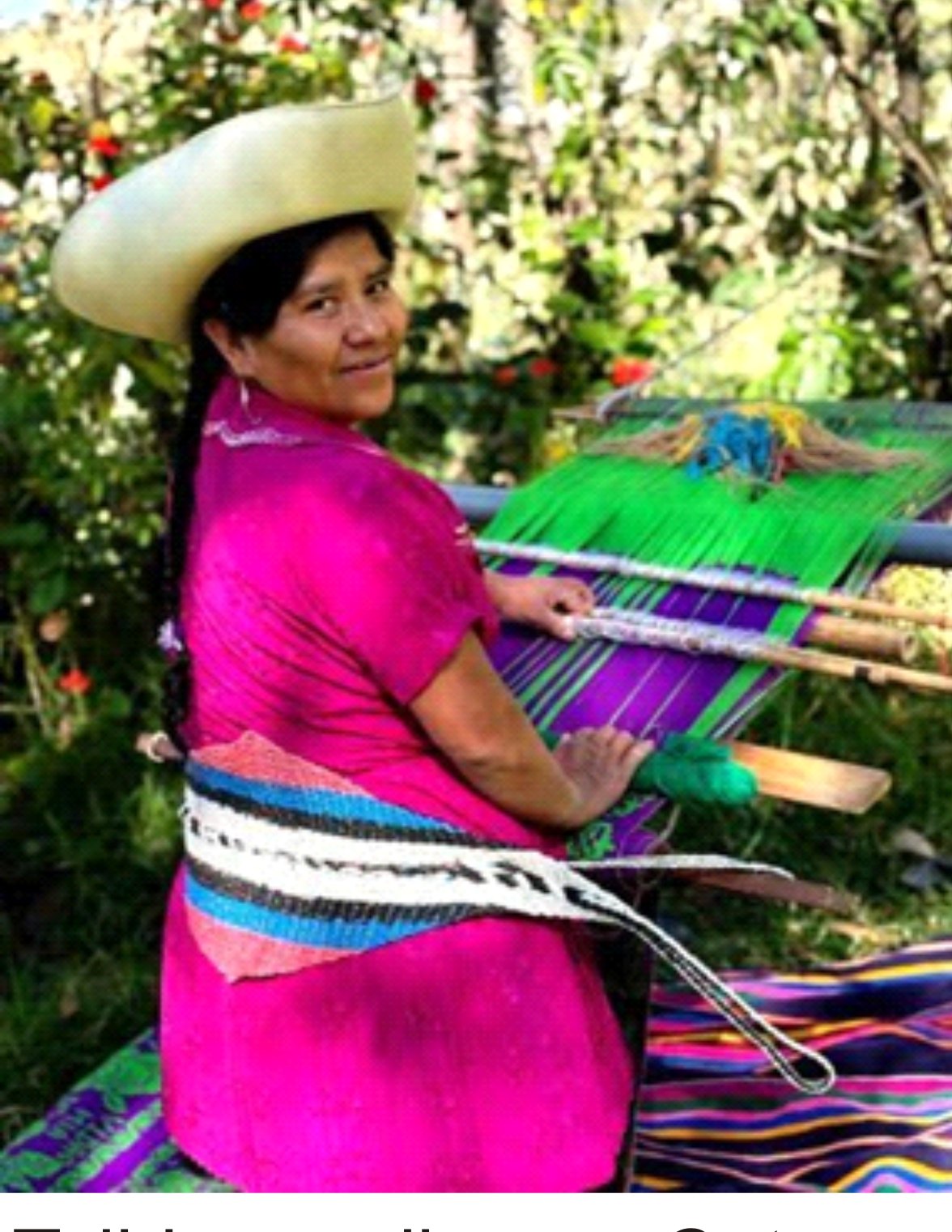
Earth medicine. Backstrap-loom weaving. Water blessed over a newborn. Neighbours who raise a roof together. We call this living heritage: knowledge that survives by being practised, not by being displayed. Today we are keeping it alive across the fifteen districts of Cutervo.
Why we exist
Peru's Ministry of Culture recognises more than 170 cultural expressions as Intangible Cultural Heritage of the Nation. Cutervo alone accounts for over thirty: callhua weaving, clay pottery, the cutervina box, traditional blacksmithing, living medicinal plants, fifteen patron-saint festivals and a literature performed in theatre.
Yet Quechua in Cutervo is on its way out. A people who lose its language lose its memory, and a people who lose its memory lose the right to decide its own future. That is why the Cultural Expressions Conservatory is not a museum. It is a workplace: a workshop, a kitchen with smoke in it, a square where a community becomes the owner of what it knows.
Meet the organisationA home without books is a body without a soul. A village without memory is a village without a name.
Cutervo countryside wisdom
Four pillars, one commitment
Everything we do comes from one conviction: culture is not a decoration on development. It is the engine.
We rescue, document and promote Cutervo's cultural expressions together with the ancestral wisdom keepers who truly hold that memory.
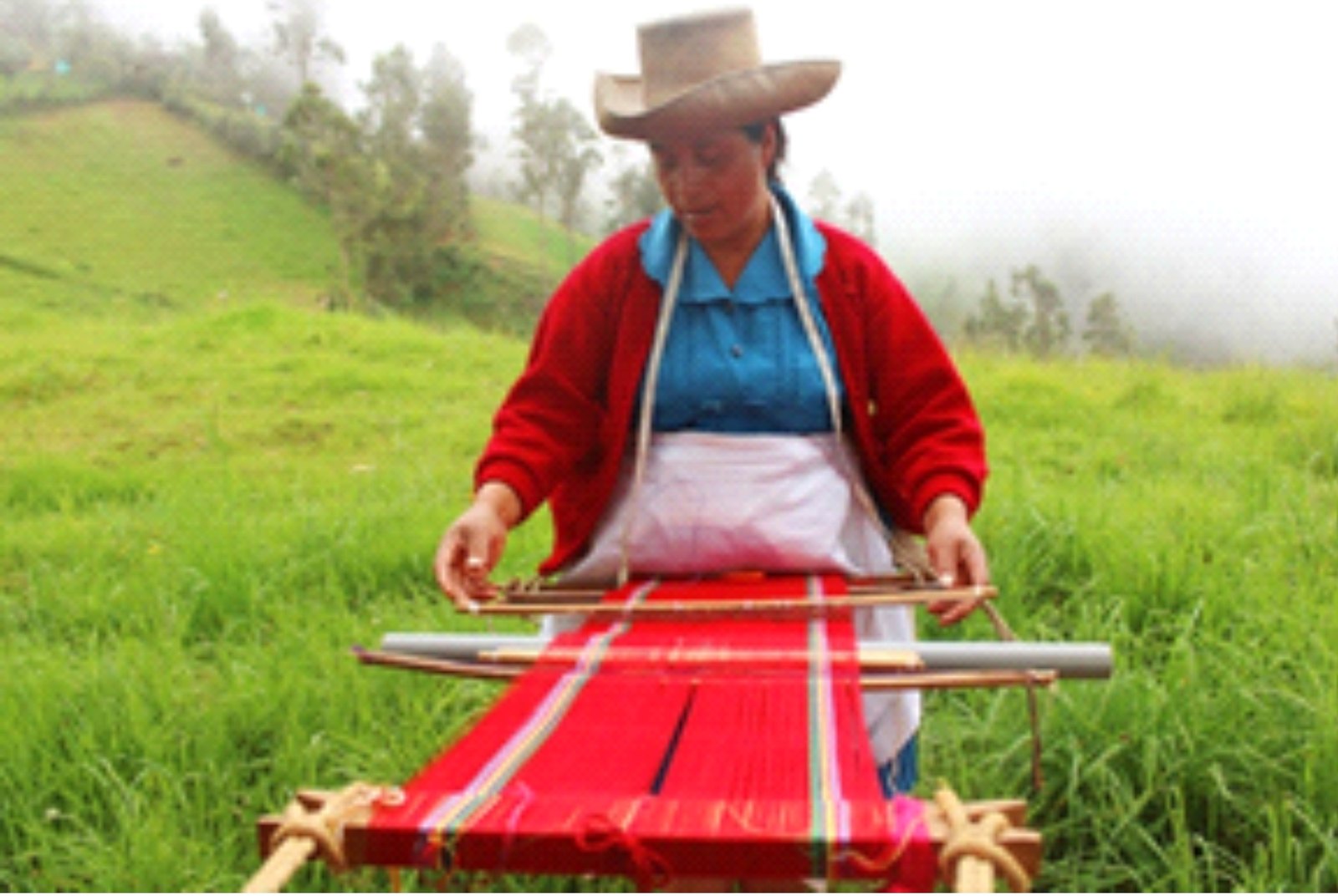
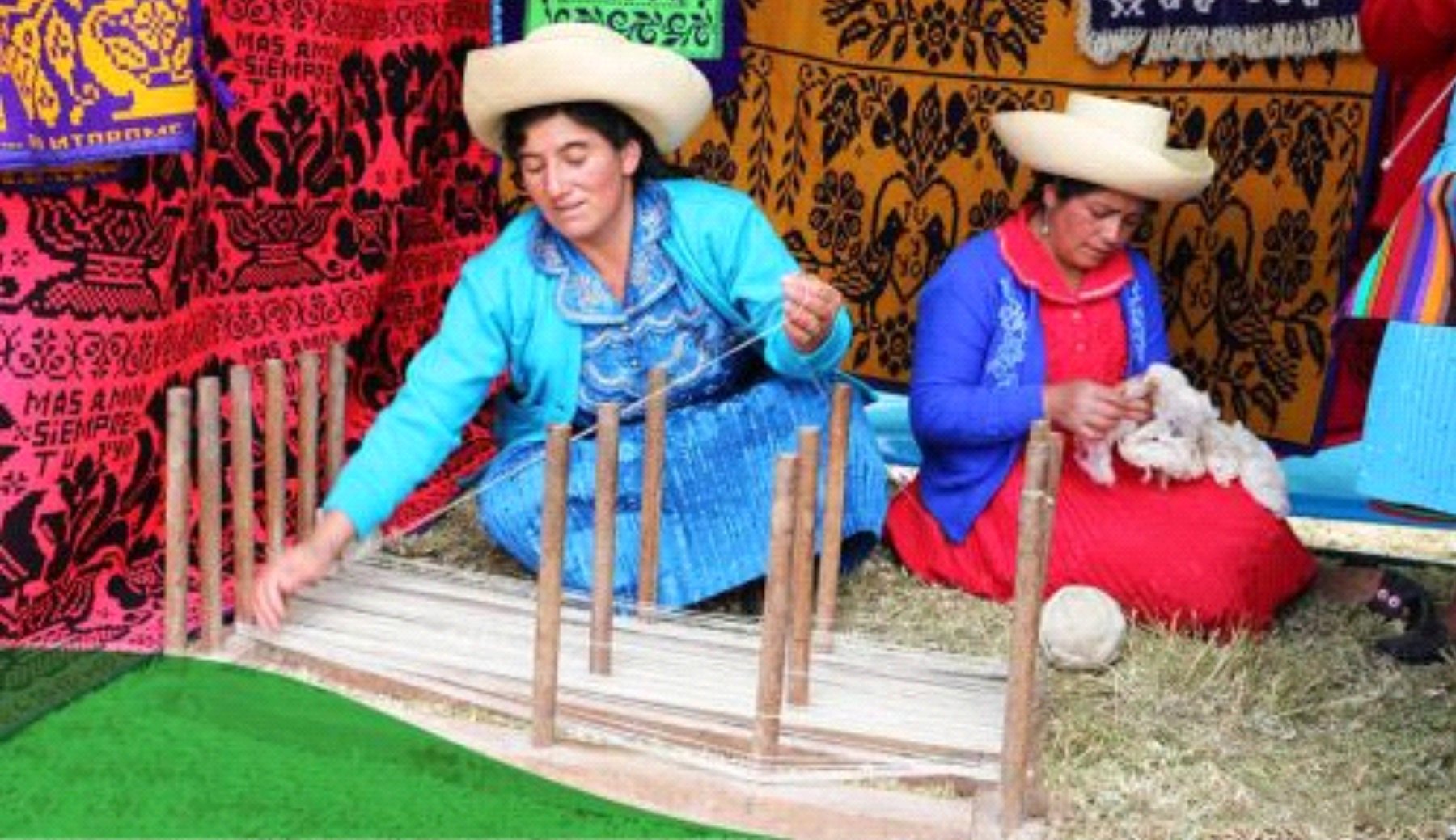
We equip women artisans to control their income, their time and their voice. Cutervo's local economy starts at a loom.
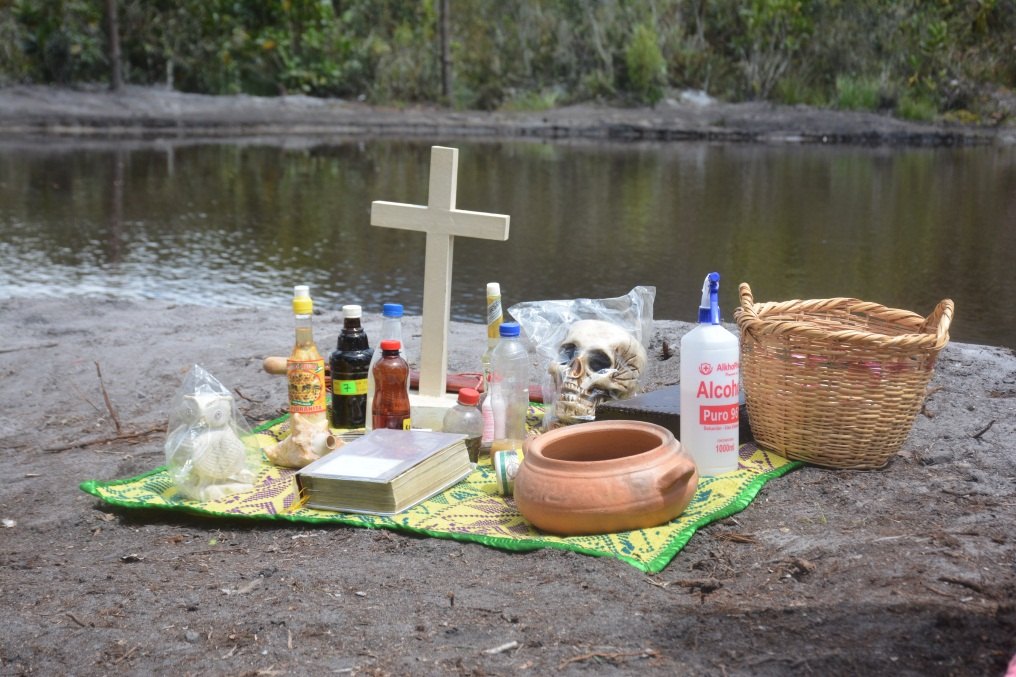
We train in the responsible use of medicinal plants and in healing ceremonies, within an ethical, moral and spiritual framework and never as a substitute for formal medicine.
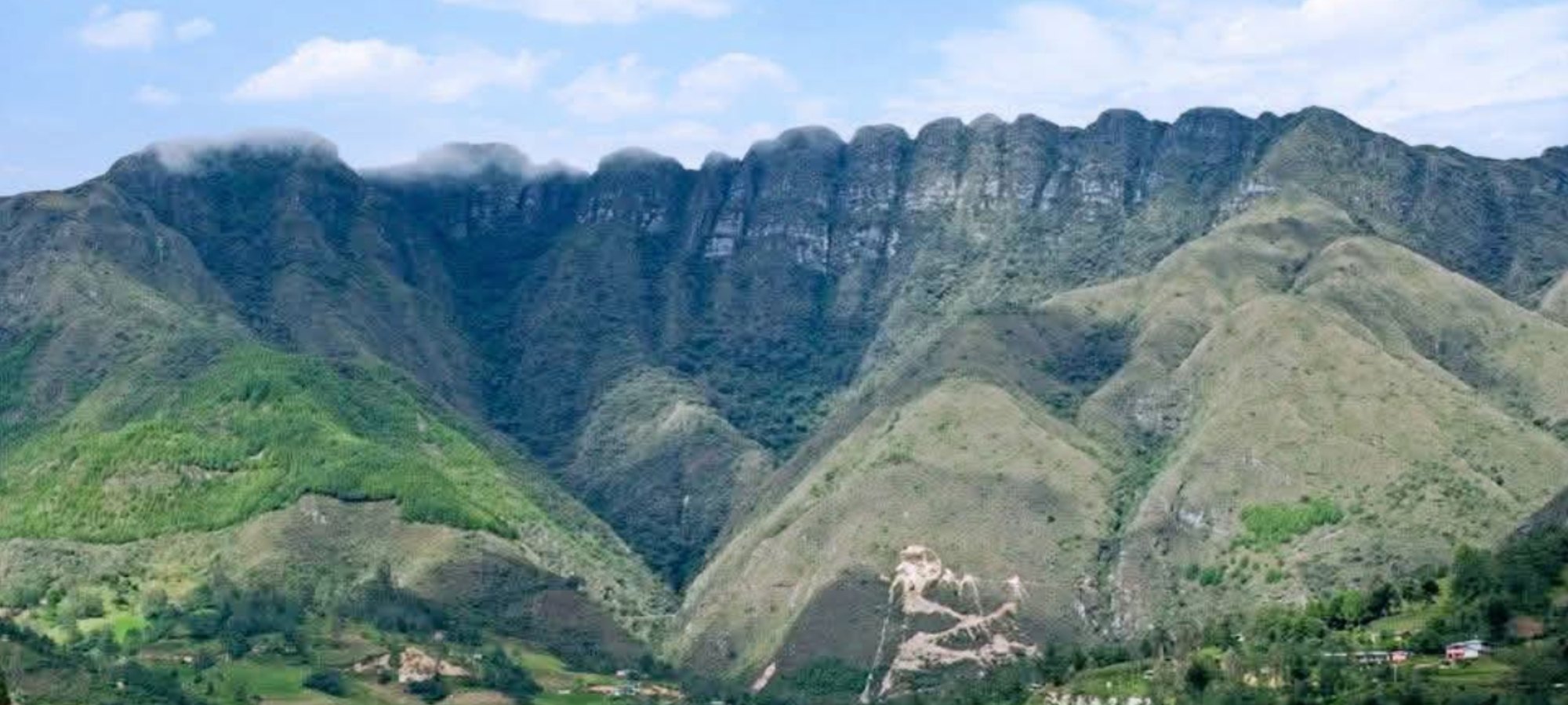
Reforestation, watershed management and solid-waste treatment: Cutervo is cared for on the ground, village by village.
The Conservatory
We do not teach crafts to produce objects. We teach them to produce dignity, income and a future in a Cutervo village.
A five-year project with a technical file and a public timetable. Every target is counted in people, not in pieces.
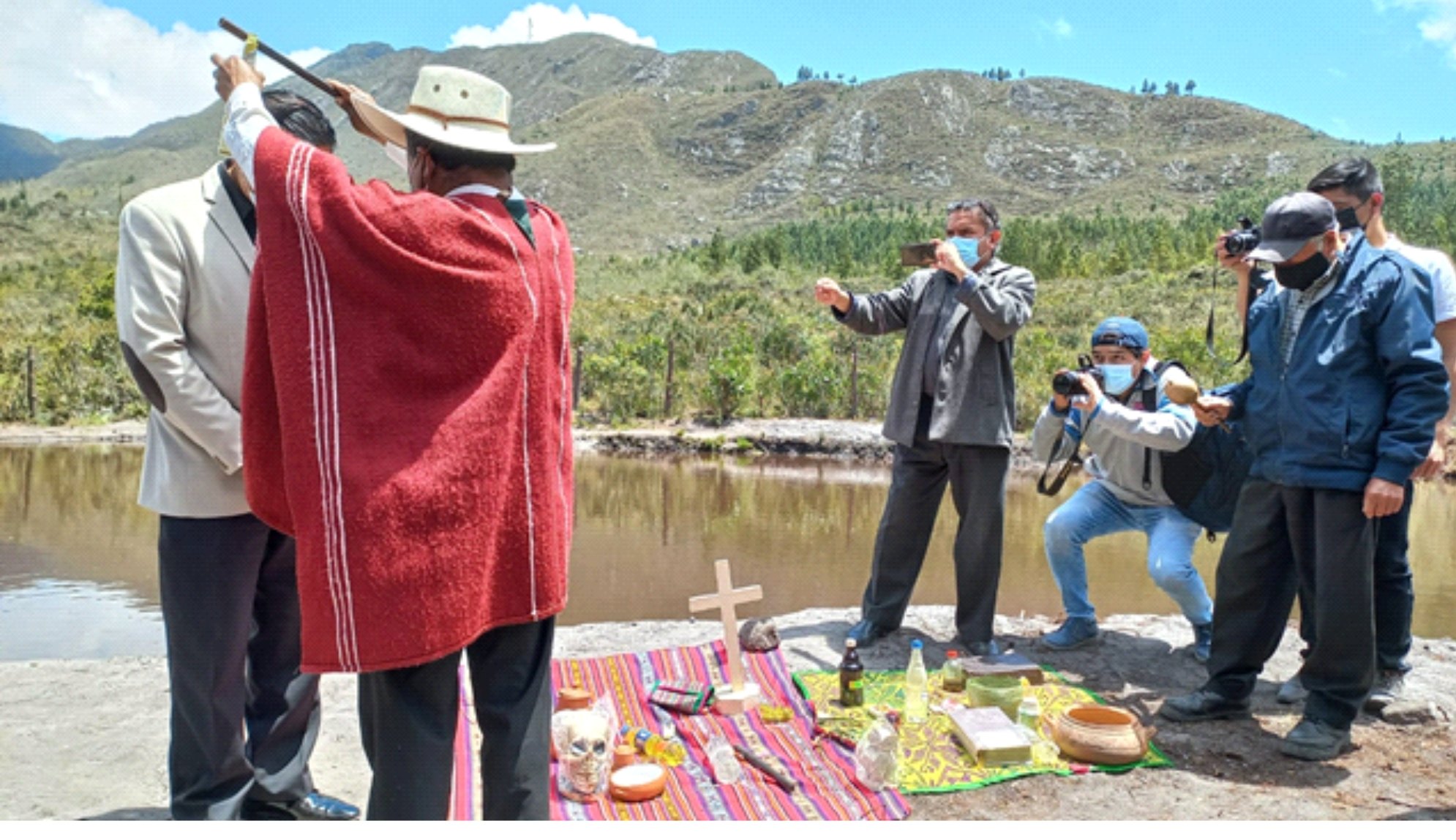
Cerro Ilucan · Mystic Tourism
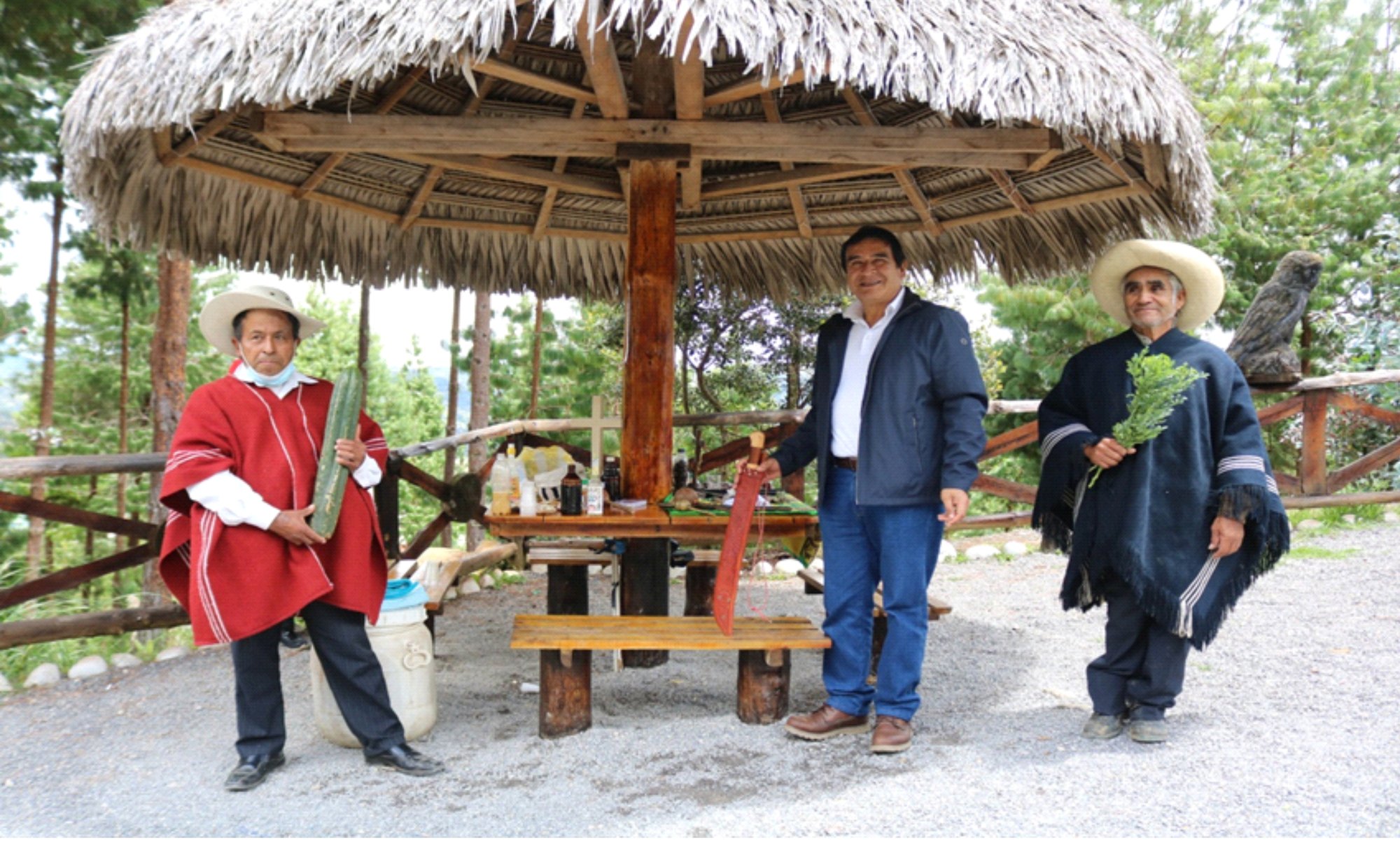
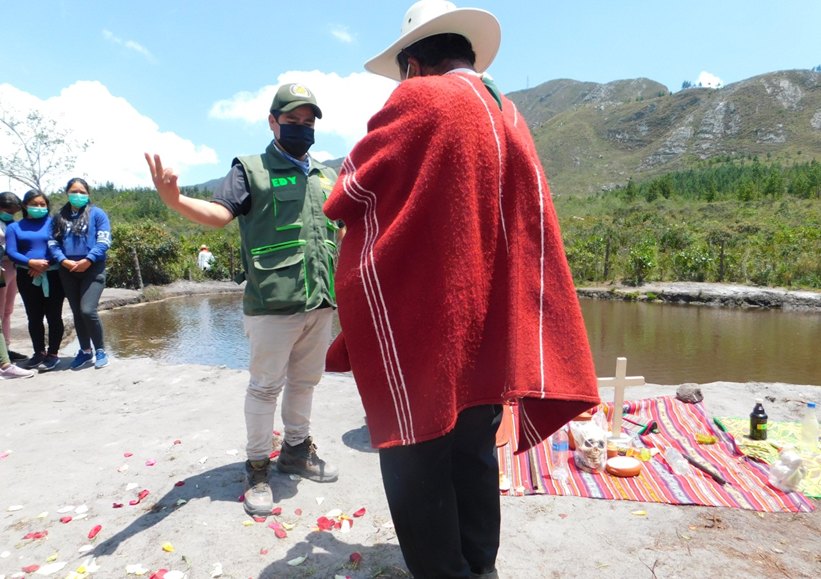
Mystic tourism is not a show. It is a guided journey with ancestral healers: cleansing, ceremonies of payment to the earth, and contact with plant and water medicine. Tourism that leaves money in the villages and takes home silence instead of rubbish.
On Cerro Ilucan the medicine is in the air: muna, matico, dandelion, plantain, eucalyptus, paico, chancapiedra, horsetail and the San Pedro cactus. Living heritage, recognised as such by law.
And around it, a landscape that seems invented:
Intangible cultural heritage
Each of these practices is a workshop. None of them is taught in theory.
A child's first haircut, with godparents who bring gifts. A rite of entry into community life.
On the fifth day after a death, the family washes the deceased's clothes at the nearest washing place, offering and praying. The soul needs letting go, too.
Collective work in a farmer's field, paid in reciprocity rather than wages. The luxury of the Andes: nobody works alone.
While a new roof goes up, the community shouts for more tiles, and the last word is won with chicha. Then there is dancing and cuy with potatoes.
An alder tree hung with surprise objects, turned by couples and then cut down with a machete. The party runs until Holy Week.
The formal request for a bride's hand with a godfather, the entrance to her family's house, and the dowry that proves commitment. An Andean airport for marriage.
SCIENCE AND LAW
For a long time it was called superstition. Today there are peer-reviewed journals studying it, and a Peruvian legal framework that recognises traditional medicine as part of the health system. It does not work against modern medicine: it is what the law calls complementary medicine, used alongside treatment and never instead of it.
Its essential oil showed in vitro antifungal activity, and its metabolites were characterised in the Peruvian medical journal of the National Institute of Health.
Cano et al., 2008 · Revista Peruana de Medicina Experimental y Salud Pública
A 2019 study measured the essential oil and found a mild inflammatory infiltrate in 80 % of cases. Dose and preparation change everything, and natural does not mean harmless.
Rojas-Armas et al., 2019 · Potential Toxicity of the Essential Oil from Minthostachys mollis
A 2024 systematic review and meta-analysis evaluated the anti-inflammatory and immunomodulatory activities of its extracts.
Arado et al., 2024 · systematic review and meta-analysis
In communities of the north, the use of medicinal plants against epilepsy was recorded: the same logic as your grandmothers, observing, testing and passing the learning down.
Auditeau et al., 2018 · Journal of Ethnopharmacology 215: 184-190
And some prudence: the World Health Organization notes that less than 1 % of global health research funding goes to traditional medicine, so the evidence is still uneven. That is why the Peruvian framework asks for common sense: the knowledge is passed on, but it does not replace modern medicine.
Created the National Institute of Traditional Medicine (INMETRA), the first attempt by the Peruvian State to bring traditional medicine into its public health policies.
Regulates and promotes the sustainable use of medicinal plants, and entrusts INMETRA with drawing up and approving the National Herbal Pharmacopoeia.
Creates the Intercultural Health National Centre (CENSI) within the National Institute of Health and extends recognition to alternative and complementary medicine.
The INS distinguishes three things: traditional medicine, alternative medicine — the kind that replaces conventional treatment and lacks evidence — and complementary medicine, used alongside medical treatment and with scientific backing.
And what the WHO says: the World Health Organization recognises traditional medicine in 170 of its 194 Member States. In 2025 it published its Global Traditional Medicine Strategy 2025-2034, and the 2018 Astana Declaration called for including these knowledges in primary care.
I want to see it up closeWhat is moving
Every number in this project has a person behind it. Here are some of them.
Human rights, exercise of women's rights, civic education, citizenship, leadership and moral and spiritual ethics.
Exercise of women's rights, civic education, citizenship, leadership and moral and spiritual ethics.
Milk-board committees, peasant patrols, people with disabilities and older adults.
Cutervo as the pilot; then the fourteen remaining districts and other provinces.
Accountability and support
ANMETRA-PERU is a non-profit organisation, exempt from income tax and recognised by APCI. We do not sell promises: we account for them.
Write to us to learn moreGovernance
A board elected by assembly and a technical team of professionals from the region.
Partners
In view
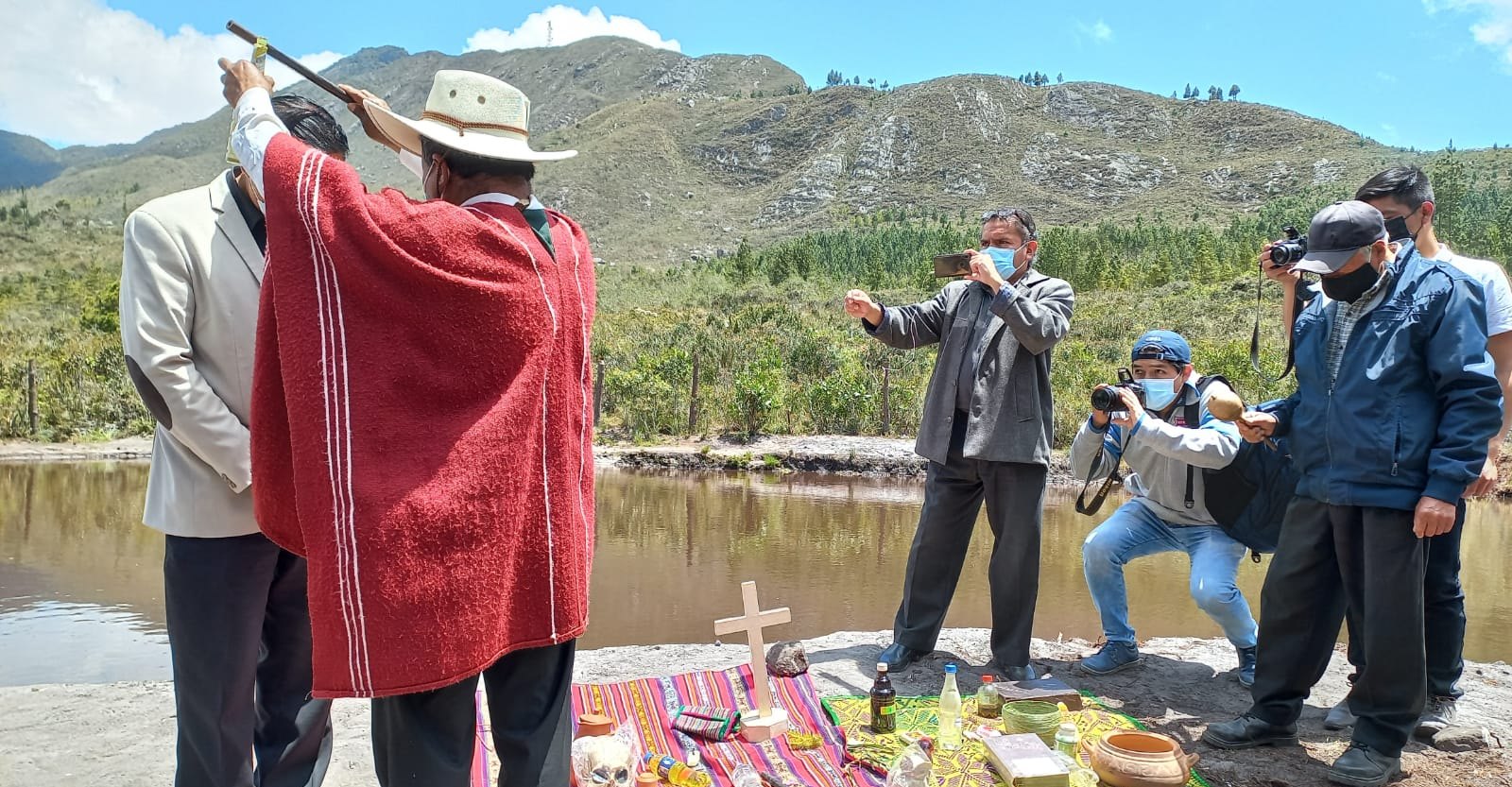
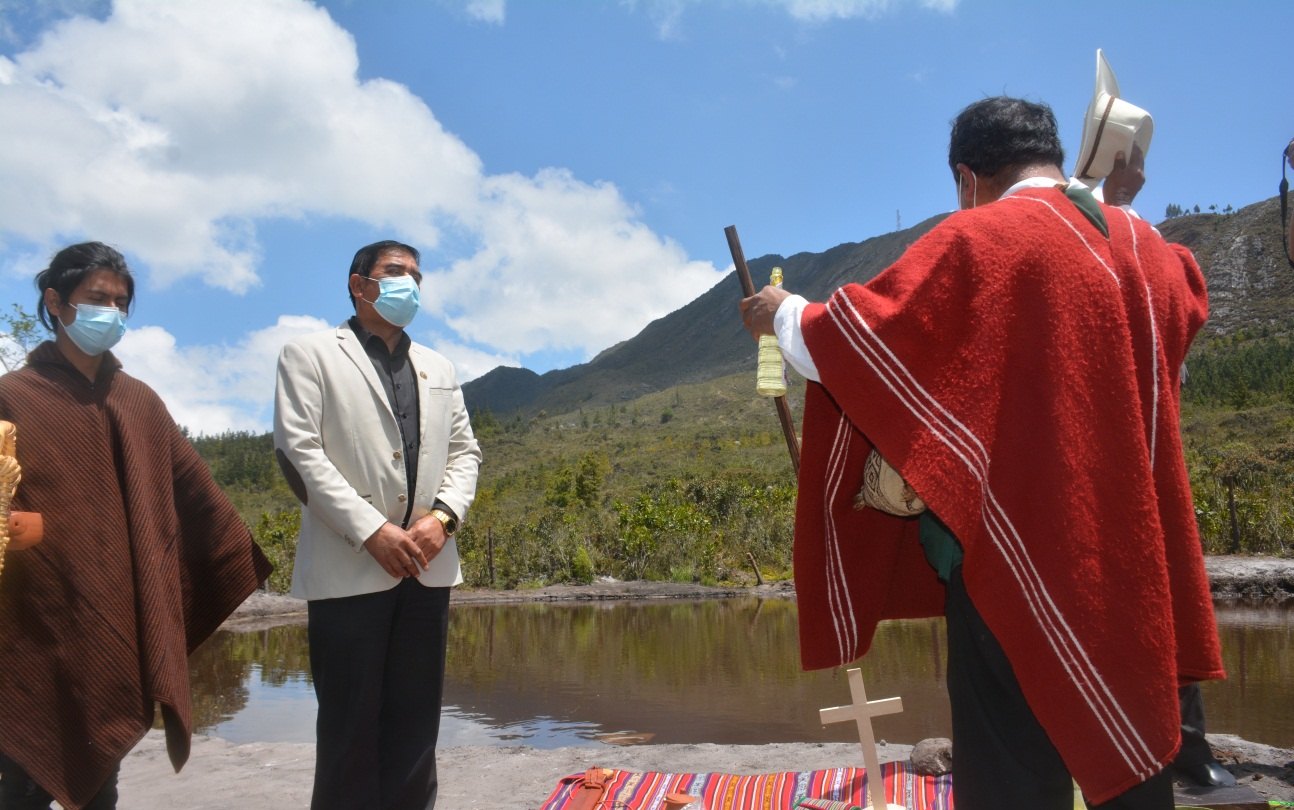
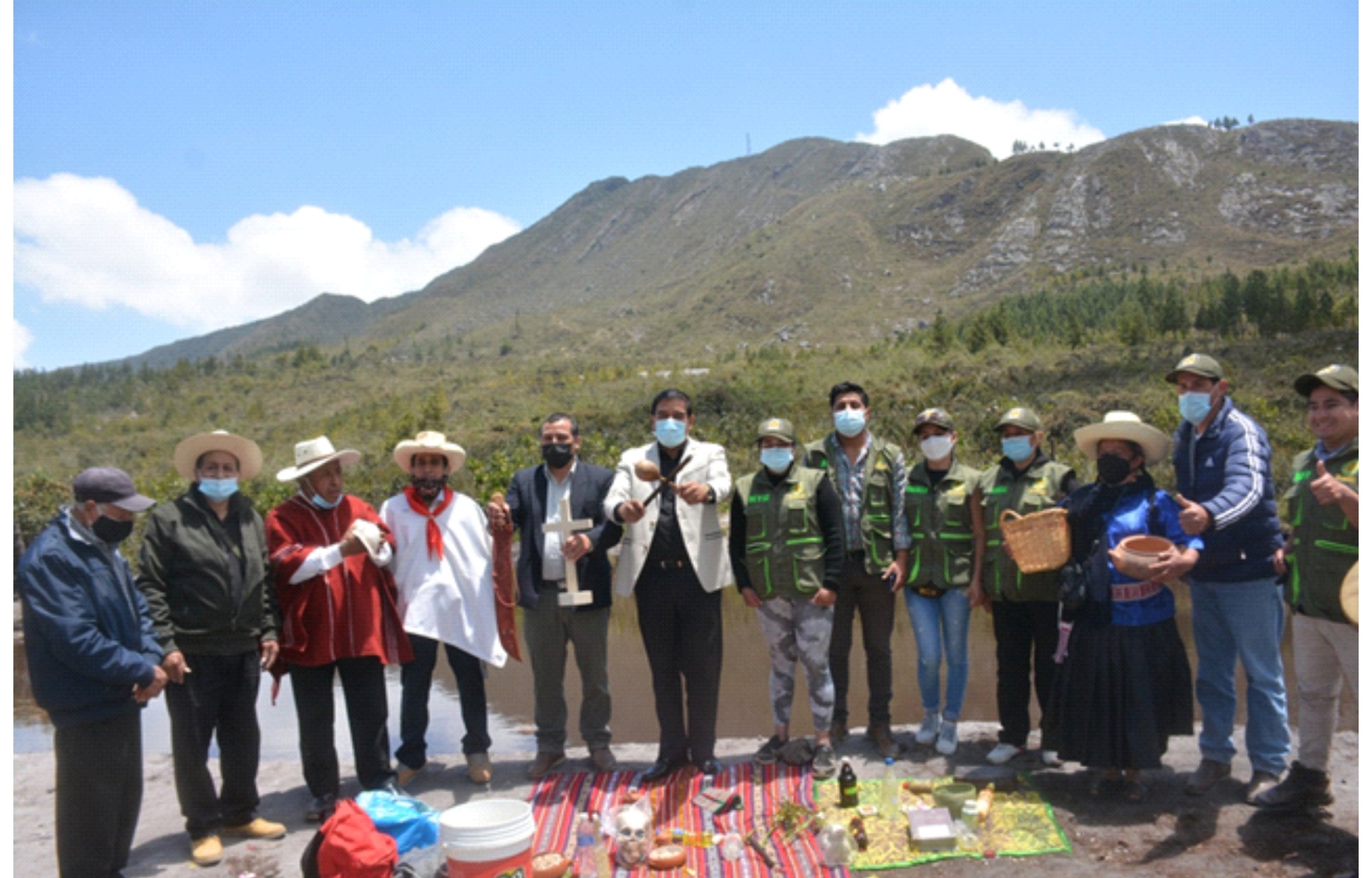
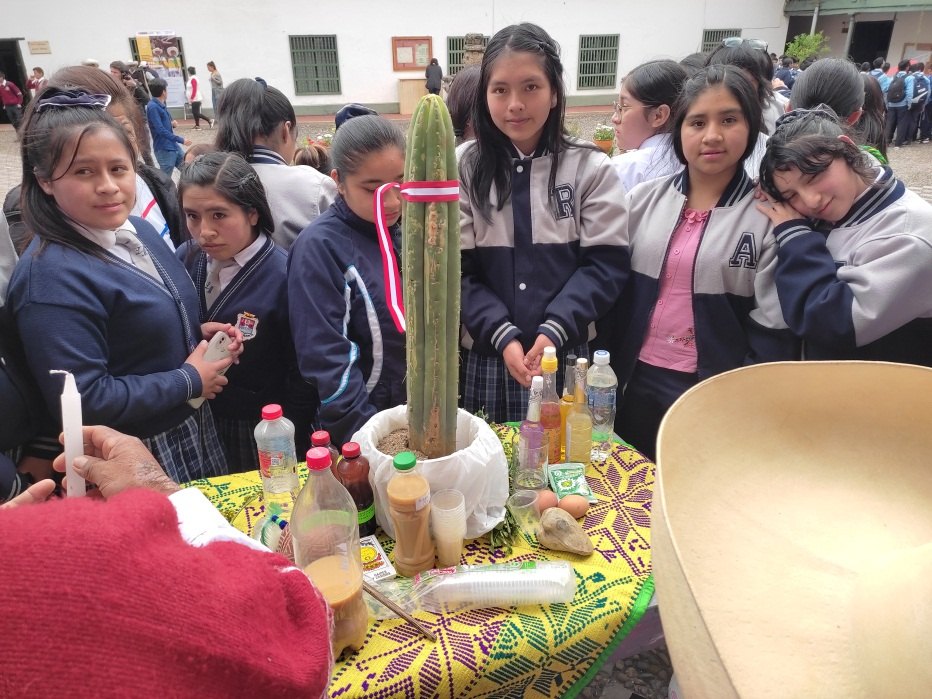
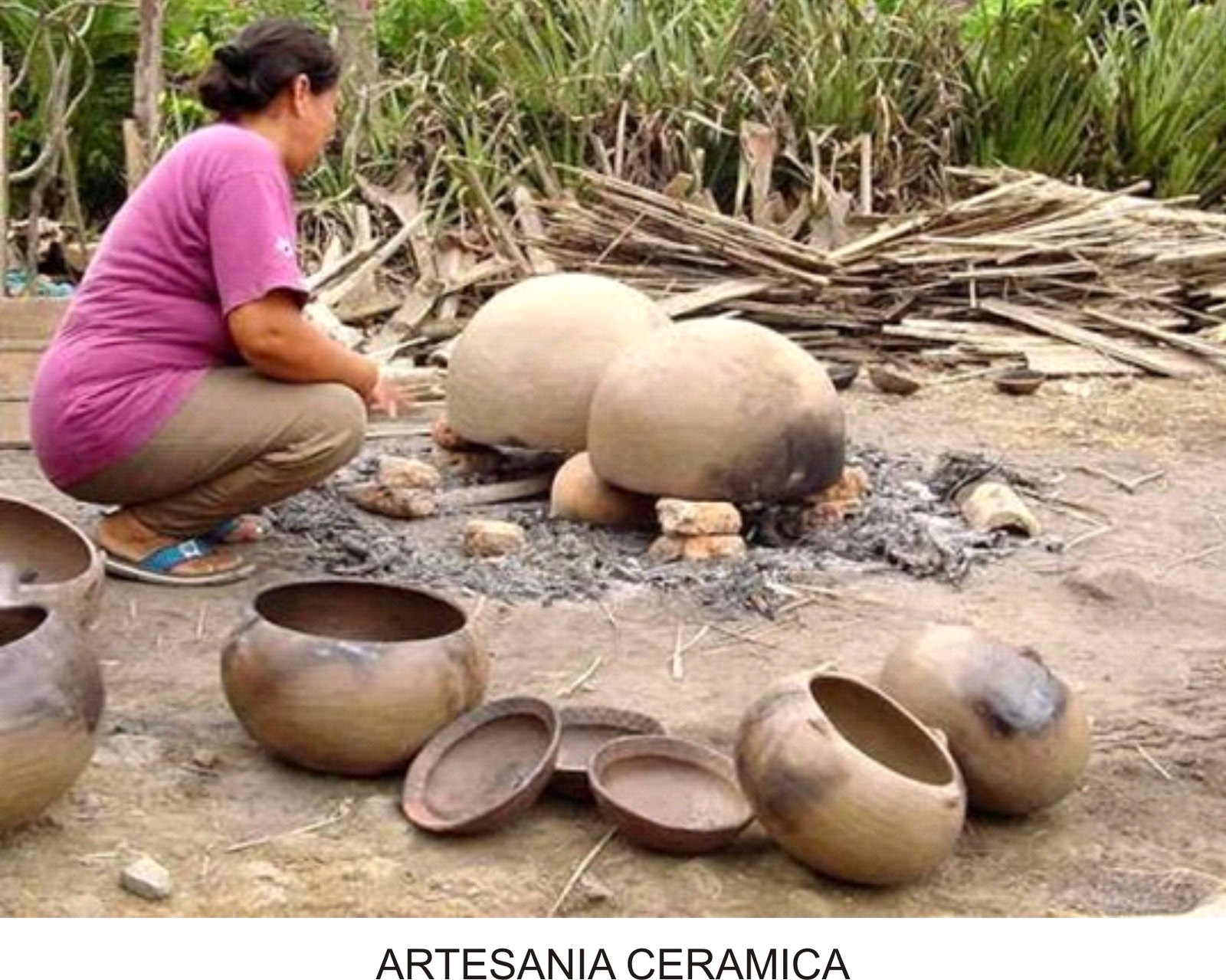
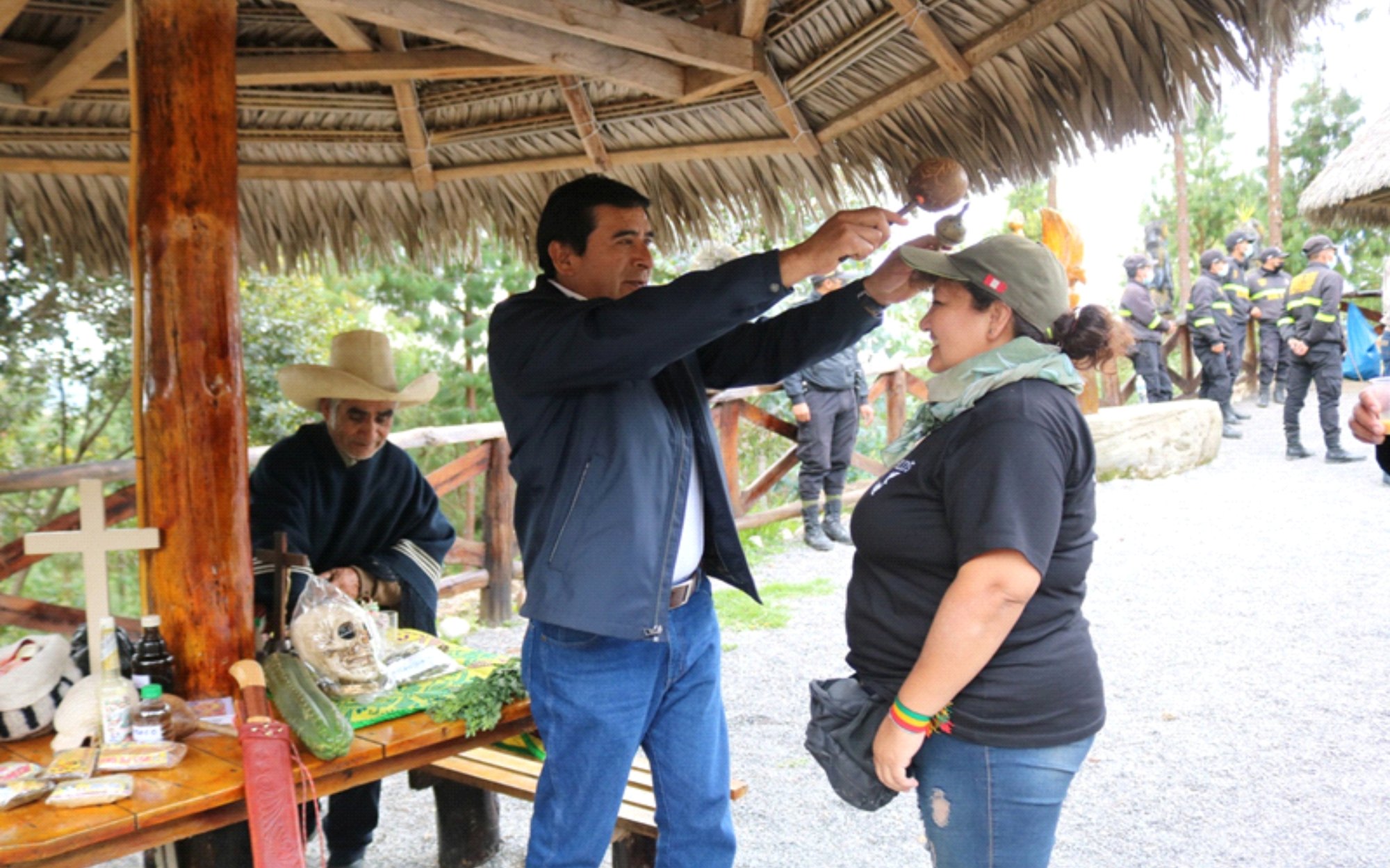
Artisans, weavers, ceremonies and mountains. This is what there is, not what we made up. What we cannot see we do not invent: we ask them.
Let's talk
Do you want to join the project, visit Cerro Ilucan, collaborate with a workshop or fund the work? Write to us and we will tell you how.
Give and stand with us
Your donation sustains the Conservatory's 21 workshops: training for 6,800 people, 136 villages and the care of fifteen districts of Cutervo.
There is no minimum amount. One sol covers a week's worth of workshop materials; a larger gift funds a full course. Contributions are received by an organisation exempt from tax and recognised by the State.
Write to us to donateCheck the account holder before transferring
Guide to ancestral medicine and mystic tourism · answers in English